The Clone
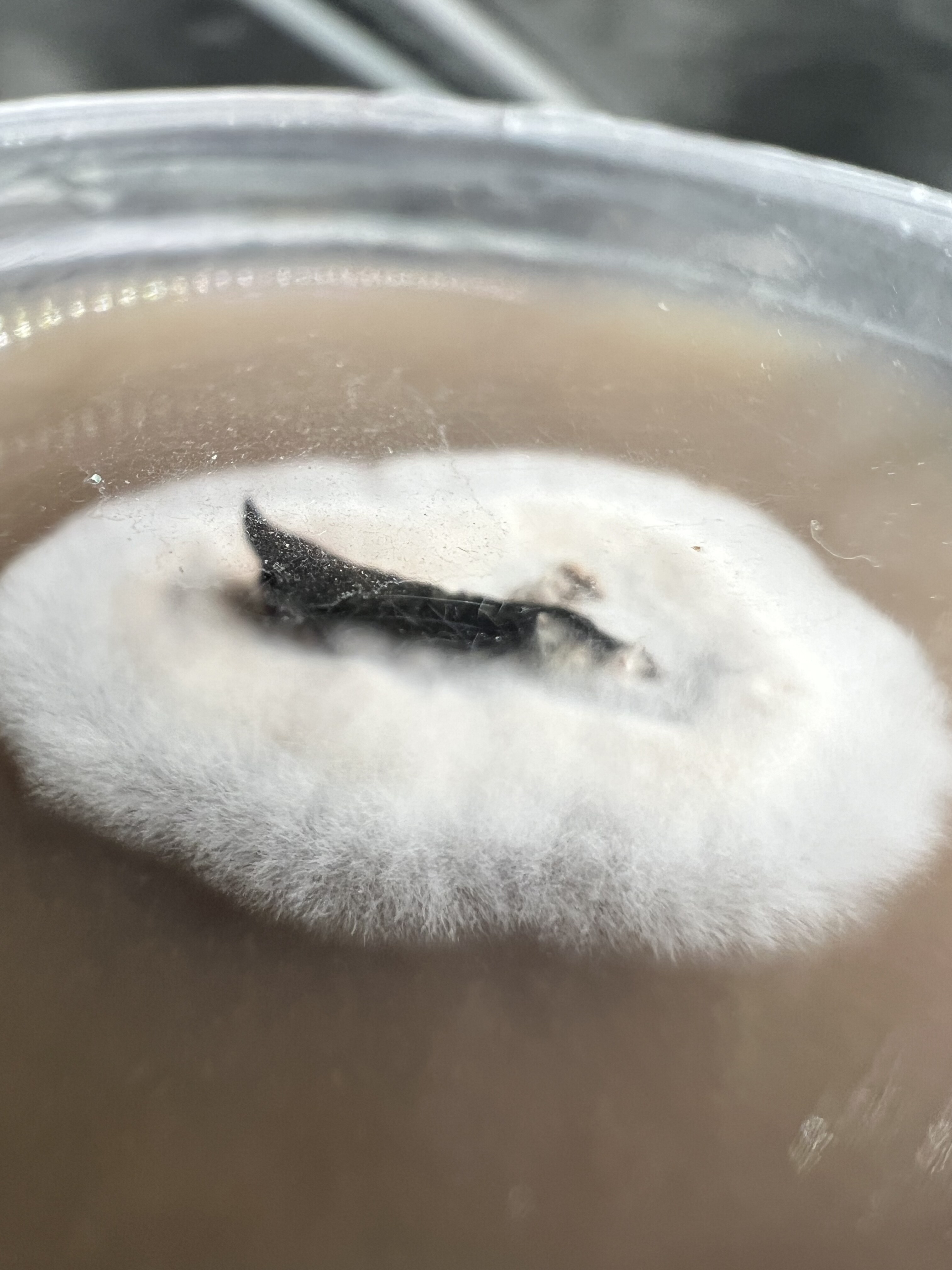
It starts with a mushroom we like. We take a sliver of clean tissue and let it run out into white mycelium on agar — a petri dish in the lab, no spore lottery, no guesswork.

Live mycelium grown on Appalachian hardwood. Cut the bag, mist twice a day, eat what you grew before next weekend. No experience needed. No grocery store.
"Good food shouldn't come from a supply chain you don't trust. Fresh beats store-bought every single time."
Three live grow kits and a tee drop. Everything else funds the research.

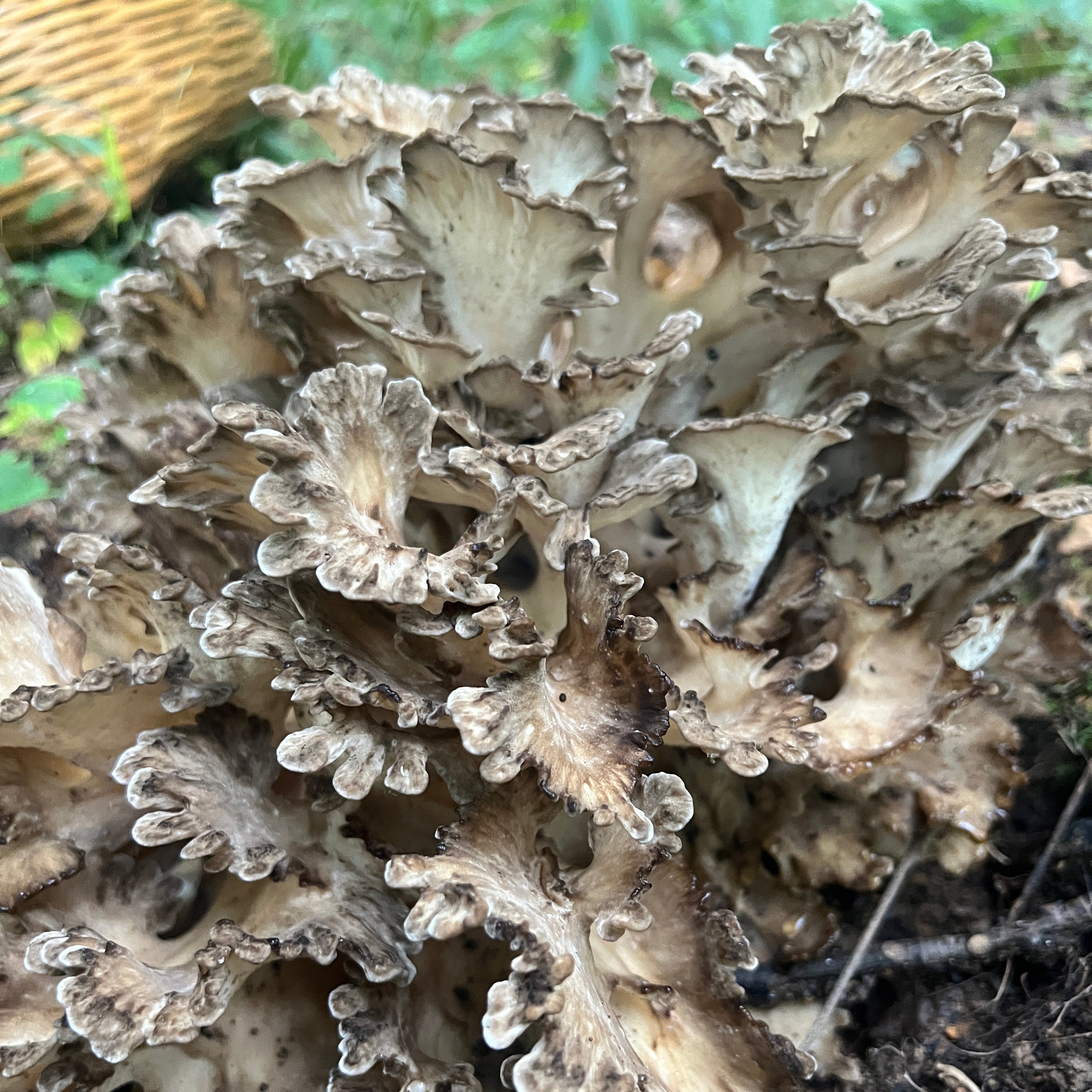
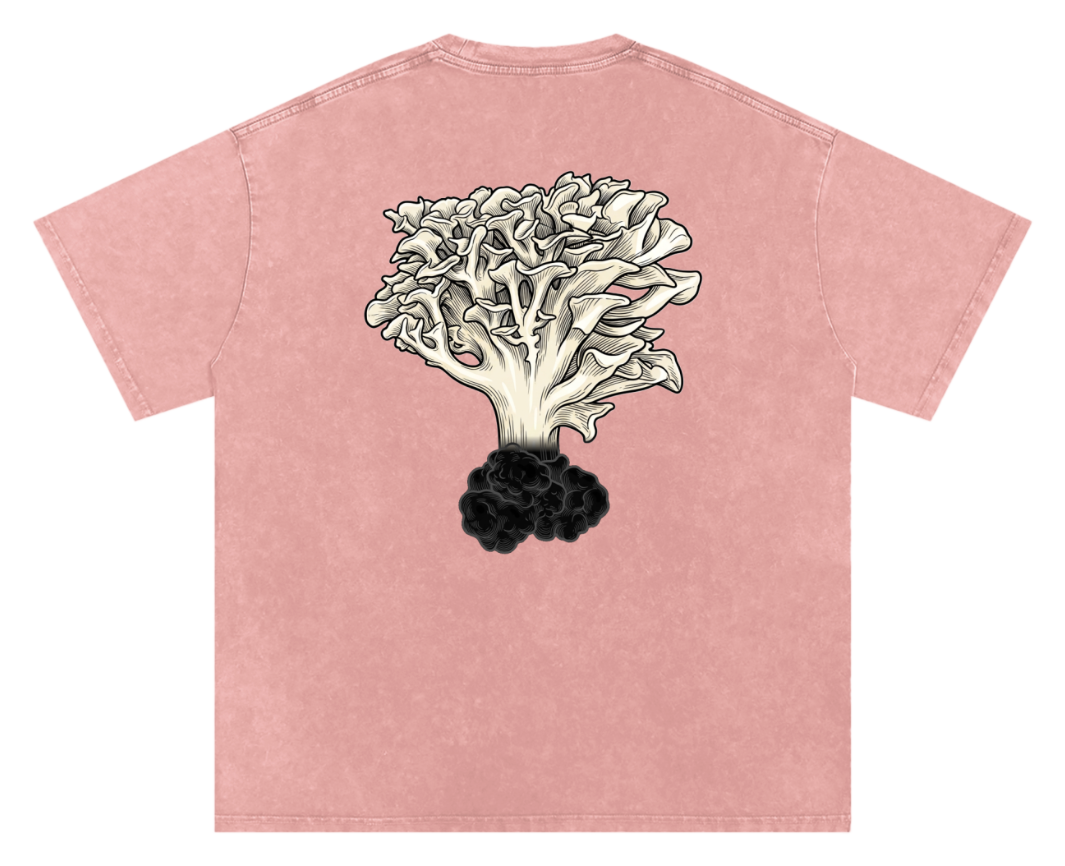
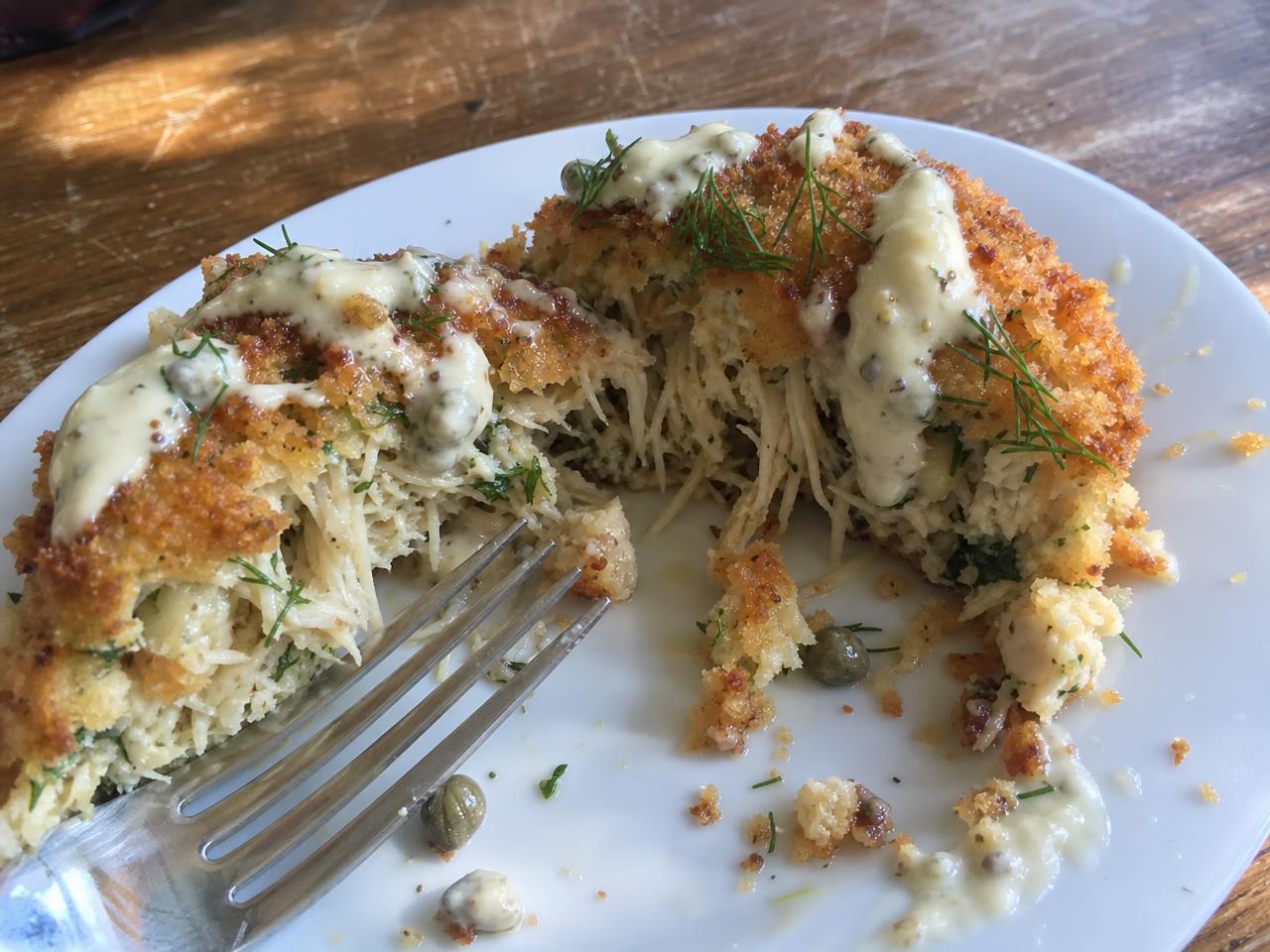
Cascading white tendrils. Tastes like crab.

Tropical bloom. Harvest in about a week.

Cold-loving, fast-fruiting workhorse.

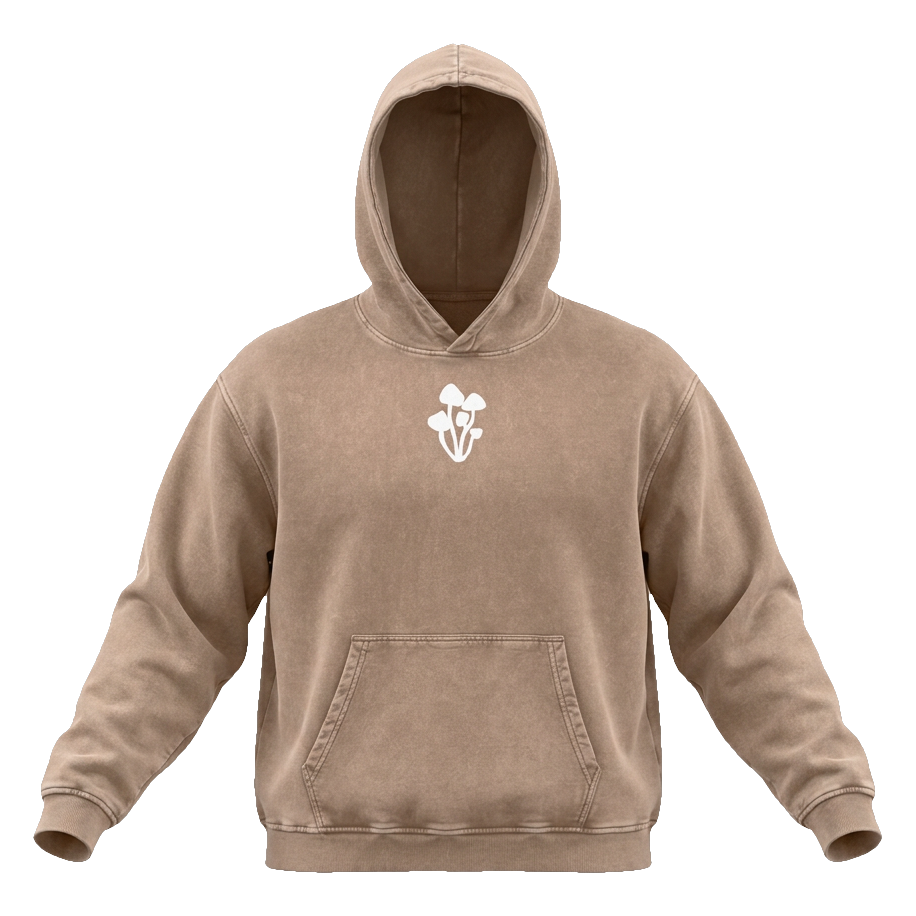
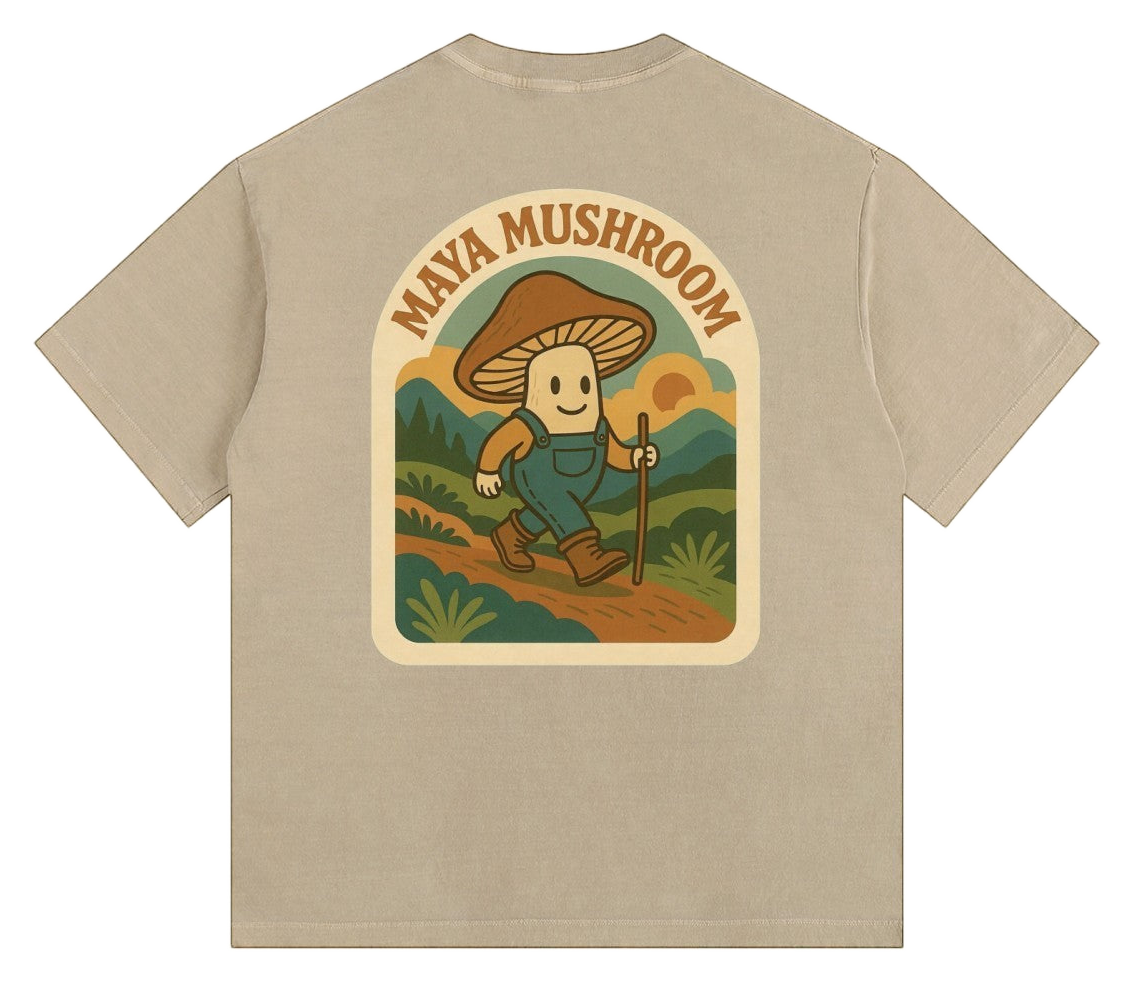
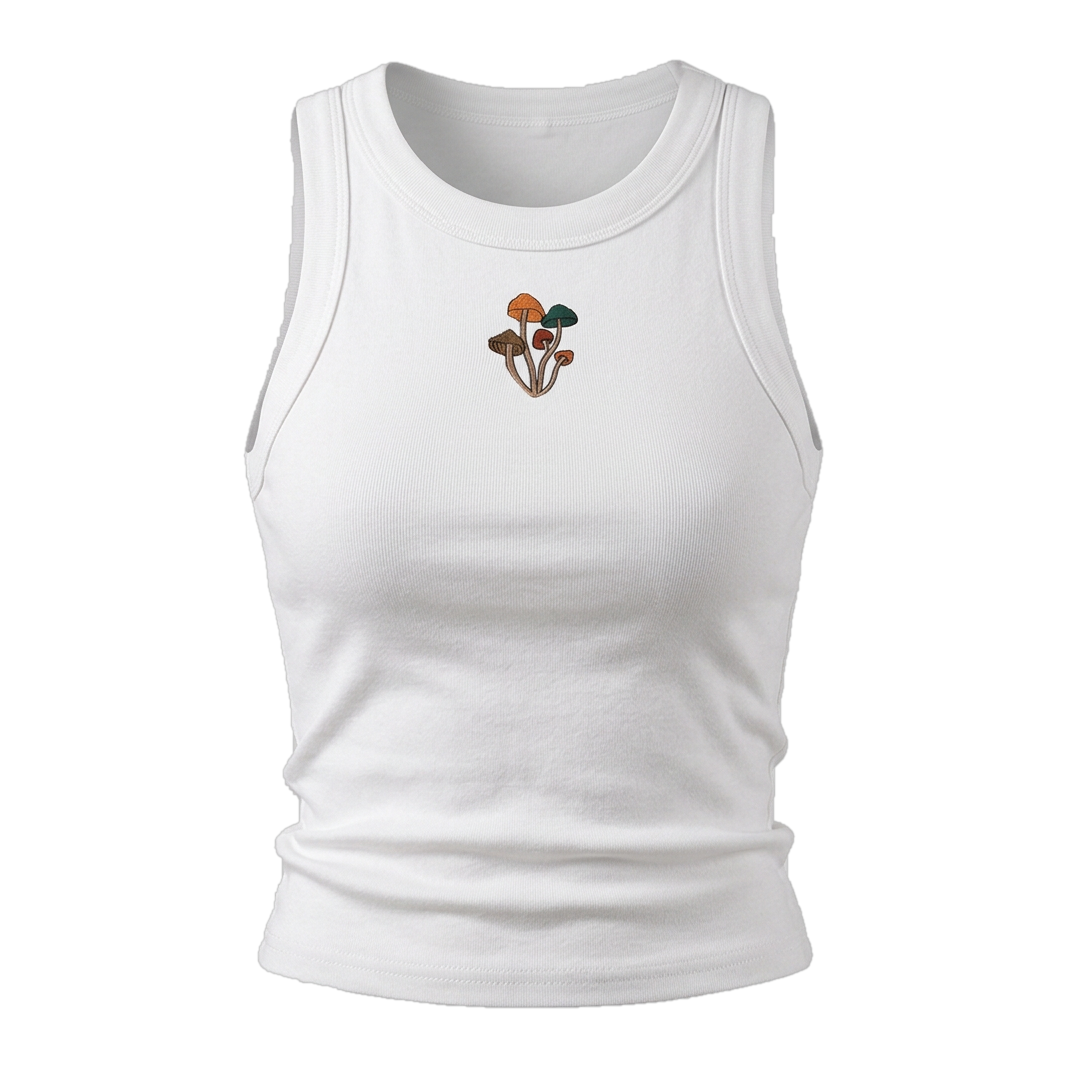
7.7 oz garment-washed cotton. Built for the grow room.

Fully colonized. Ready to fruit.
We did the hard part. The substrate is sterilized, inoculated, and run through with live mycelium. You cut a slit, mist it twice a day, and watch fresh mushrooms appear on your counter in about two weeks.


It starts with a mushroom we like. We take a sliver of clean tissue and let it run out into white mycelium on agar — a petri dish in the lab, no spore lottery, no guesswork.
Once the agar is colonized, we move that mycelium onto sterilized grain. The network expands, eats through every kernel, and becomes the engine that drives the bag.
Grain gets mixed into Appalachian hardwood sawdust and soy hulls, sealed, and left to colonize for weeks. By the time it ships, the substrate is fully alive and ready to fruit.
Cut the bag. Mist twice a day. Mushrooms break the surface in about a week. Two flushes indoors, then plant the spent block in your garden and let it keep working.
Each ShroomBag produces two flushes of gourmet mushrooms indoors. When you're done on the counter, the spent block keeps working — in the garden, under hardwood logs, or composted into the soil.
After the first flush, soak the bag in cold water for 12–24 hours, drain it, and put it back in the box. A second wave of mushrooms usually breaks within two or three weeks.
Keep harvested mushrooms in a paper bag in the fridge or cardboard box. Use within 7–10 days, or sauté and freeze for longer.
When the bag stops fruiting, bury the block in mulched garden beds, straw, or use to inoculate shaded hardwood logs. The mycelium keeps running and can fruit again under the right weather.
100% cotton, 7.7 oz, drop shoulder, oversized, garment-washed so they're broken in before they reach you.


Nearly a decade ago, a family friend spotted dark bradleys (Lactarius corrugis) on a walk. That single find turned foraging into fascination, which turned into a question: what else can mushrooms do?
Turns out, a lot more than we expected.
At Maya, we grow mushrooms for your kitchen and study wild genetics in our lab. We track lesser-understood species like umbrella polypore — not because it's trendy, but because these fungi solve real problems. Every kit we sell funds that research. Every block we fruit teaches us something new.
Questioning how fungi can intentionally clean contaminated water and soil. Here in Appalachia, coal and agriculture left their mark on our streams. These industries powered communities for generations, and locals work daily to manage what's left behind. Can native fungi restore what's damaged and rebuild broken ecosystems?
It's slow work. It's not sexy. But it's worth pursuing.
Because good food shouldn't come from a supply chain you don't trust. Whether you're growing lion's mane on your counter or oyster mushrooms in your garden, fresh beats store-bought every single time. Our kits make that easy. Start indoors, then expand outdoors.
"Tyler and Ian. Two friends running a small operation. We grow mushrooms, we study them, we share what works."
When you buy a ShroomBag, you're funding research that matters and growing food that's actually fresh. Thanks for being part of it.
Quiet updates on new strains, restocks, what's fruiting this month, and the occasional recipe from our kitchen. Come hang out with us underground.